Can You Put Hats in a T-Shirt Quilt? Expert Guide

Can You Put Hats in a T-Shirt Quilt? Expert Guide

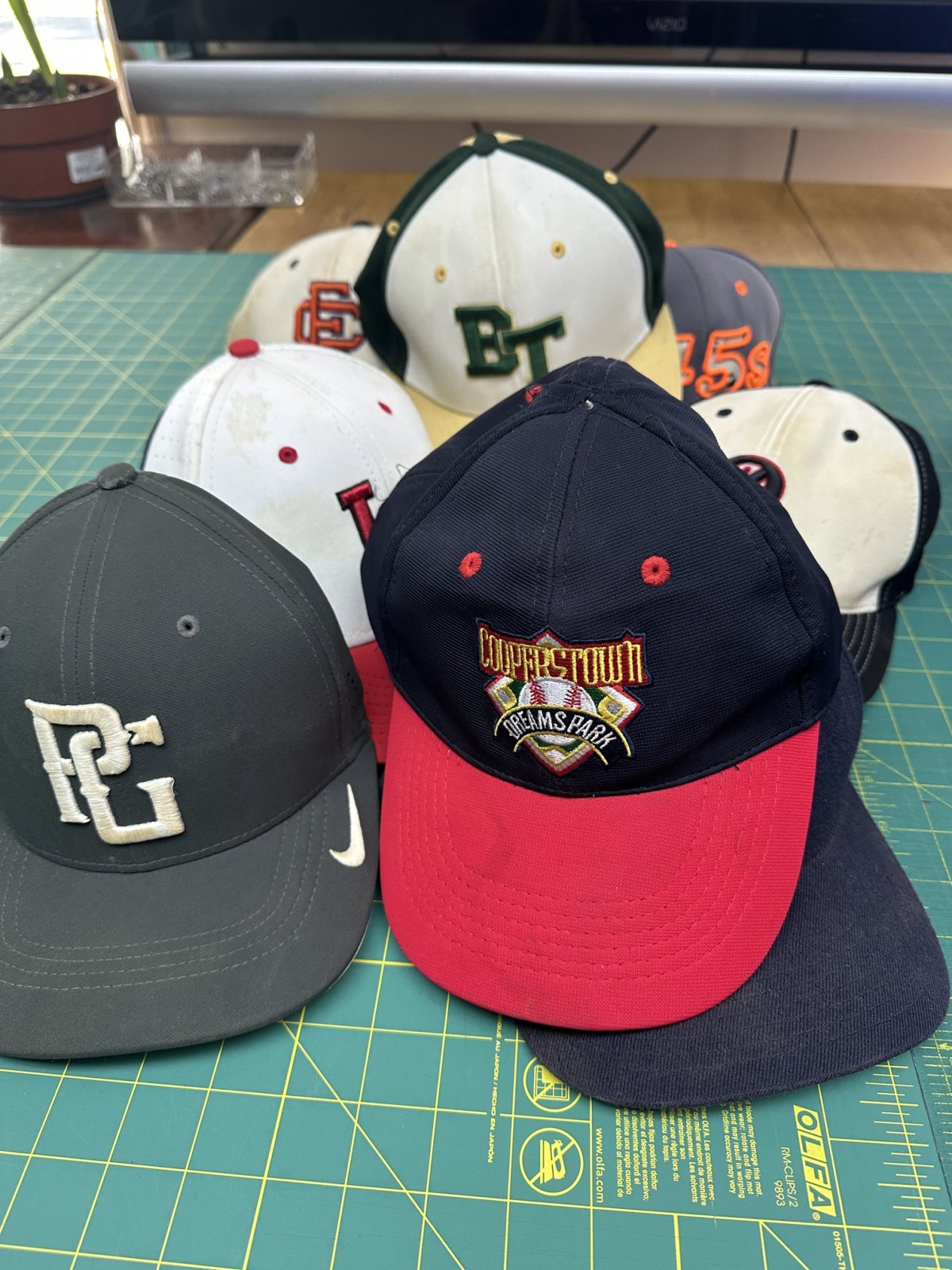
Your favorite souvenir cap doesn’t have to live in a dusty box just because it’s too bulky for a traditional blanket. Many collectors ask, "Can I put hats in a quilt?" and the answer is a resounding yes, provided you have the right technical approach. It’s natural to feel a bit protective of a rare vintage find or a sentimental team hat. You might worry that cutting into the hat will ruin the memory or that the stiff brim simply won’t lay flat against your favorite t-shirts.

The Short Answer: Yes, Hats Belong in Your Memory Quilt

It’s a question I hear often from collectors: "Can I put hats in a quilt?" The answer is a definitive yes. While a hat is a rigid, three-dimensional object, we view it as a source of high-quality embroidered fabric. By surgically deconstructing the cap, we harvest the soul of the garment, the logos and emblems, and prepare them to lay flat alongside your softest cotton tees. This process works beautifully for structured baseball caps, soft knit beanies, and even the embroidered panels of visors. When you ask, "Can I put hats in a quilt?" you’re often thinking about the bulk, but we see the potential for a stunning, flat memory block.

Which Parts of the Hat Can Be Quilted?

We focus on the flexible fabric elements that carry the most meaning. The crown logo on the front is typically the star, offering a bold focal point for a custom block. However, don’t overlook the smaller details. Side patches, championship years, or manufacturer logos found on the back can be preserved as accent pieces. These smaller elements provide texture and variety to the overall design, and you can even visit Custom Patches Australia if you want to create new custom emblems for your project.

  • The Crown: The primary logo that defines the hat’s identity and serves as the centerpiece.
  • Side and Back Embroidery: Smaller details like sponsor logos or commemorative dates that add context to the memory.
  • Beanies and Visors: Flexible knits and crown panels that integrate seamlessly with other fabrics.

We generally advise against using the stiff bill of a cap. These are firm and have plastic or cardboard inserts ; this creates tension and bulk that takes away from the soft, wrap-around feel of a finished quilt. More importantly, these rigid materials require special treatment to secure it with longarm quilting to the other layers of the quilt. Yes, we have included the bill. Just know that it won’t be soft like the rest of your quilt. By focusing on the embroidered panel part of the hat, we ensure your quilt remains both durable and comfortable for everyday use.

The Technical Challenge: Turning 3D Headwear into Flat Blocks

Transforming a curved cap into a flat, sewable block requires more than just a pair of scissors. When customers ask, "Can I put hats in a quilt?" they’re often picturing the physical struggle of stitching a dome-shaped object onto a flat surface. The process begins with surgical deconstruction. We use a seam ripper and precision shears to isolate the embroidered logo, carefully separating it from the rigid internal buckram and sweatbands. This leaves us with a raw, often distorted piece of fabric that requires expert handling to tame and frame. It’s a delicate balance of preserving the embroidery while removing the bulk that would otherwise detract from the quilt’s drape.

Stabilization and Interfacing for a Professional Finish

Interfacing is the invisible backbone that prevents hat fabric from warping or stretching during the quilting process. Managing varying thicknesses is a primary concern; we use specialized techniques to transition from heavy hat canvas to soft t-shirt jersey without creating unsightly lumps. Once stabilized, we "square up" the piece, trimming it into a clean geometric shape that integrates seamlessly with your other memories. This step is vital for maintaining the symmetry and balance of the final composition.

Our professional robotic longarm quilting provides the necessary force and precision to secure these dense materials permanently. It creates a flat, durable finish that handles the transition between various fabrics from thin cotton to heavy twill with ease. If you’re wondering how to handle a mix of odd-sized logos, a **Masonry T-Shirt Quilt ** offers the artistic flexibility needed to accommodate these unique elements. This method ensures your headwear is more than just a patch; it becomes a structural part of a high-end heirloom. So, when you ask, "Can I put hats in a quilt?" remember that with the right technical precision, the answer is a beautiful, tactile reality.

Designing Your Quilt: Integrating Hats into Artistic Layouts

The layout you choose determines whether your headwear feels like an afterthought or a focal point. A Masonry t-shirt quilt is the superior choice when you ask, "Can I put hats in a quilt?" because it ditches the restrictive grid. Hat logos are often smaller or oddly shaped compared to massive chest graphics. They need a layout that accommodates non-standard block sizes without leaving awkward gaps. Our Masonry T-Shirt  Quilt serves as a brilliant home for these pieces. It uses a structured, staggered approach that allows smaller hat emblems to fit perfectly into the overall puzzle.

From DIY Disaster to Professional Keepsake

Attempting to sew through stabilized hat canvas on a standard home machine presents a technical hurdle that many hobbyists find frustrating. If you have a box of half-cut caps, don’t worry. We offer UFO Completion for projects that hit a roadblock. When calculating the t-shirt quilt cost, specialty items like hats add a small premium for the extra labor involved in surgical deconstruction. This investment transforms a pile of bulky accessories into a sophisticated, high-end heirloom that will last for decades.

Turn Your Favorite Caps into a Lasting Legacy

Your cherished headwear doesn’t have to stay hidden away in a closet. By focusing on the embroidered soul of each piece, we transform bulky souvenirs into soft, flat blocks that tell your story. You’ve seen that the answer to "Can I put hats in a quilt?" is a confident yes, provided you use professional deconstruction and precision longarm quilting. Whether you choose a dynamic Freestyle layout or a structured Masonry design, your irregular logos will find a perfectly balanced home.

We specialize in these technical transitions, offering expert longarm quilting services and professional repair expertise to ensure every stitch is durable. Don’t let a difficult fabric or a complex project stop you from creating something beautiful. It’s time to give those memories the high-end finish they deserve. Get a custom estimate for your hat and t-shirt quilt project today and let’s start designing your masterpiece together.

Frequently Asked Questions

Will adding hats make my quilt too stiff or uncomfortable to use?

No, your quilt will remain soft and pliable because we only use the flexible fabric portions of the hat. When you ask, "Can I put hats in a quilt?" you’re often worried about the rigid plastic bills. Those can be included with special treatment, but it will always feel stiff and detract from the softness of the overall quilt. The remaining embroidered panels from the caps will remain pliable and can be designed to blend perfectly with your cotton t-shirts.

Can you include the adjustable strap or plastic snap-back from a hat?

We exclude plastic snap-backs and metal adjustment buckles from the final quilt blocks. These rigid components create won’t feel great against your skin and require adjusting the quilting to properly secure them. Our goal is a flat, durable surface that’s comfortable for you and safe for the equipment used. If a strap has sentimental embroidery, we often harvest that specific fabric strip while removing the hardware.

Do I need to wash my hats before sending them in for a quilt?

Yes, please ensure all headwear is clean before including them. Sweat and hair oils can degrade fabric over time and may affect the adhesion of our professional-grade stabilizers, if needed. When you ask, "Can I put hats in a quilt?" remember that cleanliness ensures the best structural bond. Most baseball caps can be safely hand-washed or placed in a laundry cage for a gentle cycle. If that red clay from sliding in to first base is still present after washing, if it’s ok with you, it’s ok with us. It’s part of the story!

How many hats can I include in a standard-size memory quilt?

There is no strict limit, but we suggest using hats as accent pieces rather than the primary material. Including a variety of logos provides excellent visual interest without overwhelming the texture of the quilt. Since hat fabric is denser, distributing them across your desired layout ensures the weight remains even. This balance is key for a professional, high-end finish.

How Much Does a T-Shirt Quilt Cost? The 2026 Budgeting Checklist

How Much Does a T-Shirt Quilt Cost? The 2026 Budgeting Checklist

What if the lowest price you find for your project is actually the most expensive mistake you’ll ever make with your memories? It’s a common fear. You’ve spent years collecting these shirts, and the thought of a bad cut or a shaky stitch ruining them is enough to keep them tucked away in a plastic bin. When you start researching the t-shirt quilt cost, you’ll see a massive range from budget-friendly options to high-end custom commissions. It’s easy to feel confused by the gap between a simple, thin blanket and a professionally constructed heirloom quilt.

You likely want a way to honor your history without overspending, yet you know that quality craftsmanship requires technical precision. We promise to help you navigate these choices by revealing the real factors behind pricing, including the necessity of fabric stabilization and the artistry of complex layouts. This 2026 budgeting checklist will preview the markers of a durable quilt, explore hidden fees like shipping and professional longarm quilting, and give you the confidence to choose a maker who treats your shirts with the respect they’ve earned.

Understanding the Variables: What Drives T-Shirt Quilt Pricing?

When you evaluate the t-shirt quilt cost, you aren’t just paying for fabric. You’re investing in the design of a complex structural assembly. A true quilt consists of four distinct layers: the artistic top, interfacing, a middle layer of professional-grade batting, and a durable backing. Many budget services actually sell t-shirt blankets, which skip the interfacing and batting entirely and use a simple fleece backing. While cheaper, these blankets lack the weight, warmth, and longevity of a professional quilt. They’re essentially two pieces of fabric sewn together on the outside edges, which leaves the middle unsecured and often leads to stretching and a loss of shape over time if the quilt is actually used.

Technical precision is what keeps your memories from sagging. T-shirt jersey is a knit fabric designed to stretch; if it isn’t stabilized with a high-quality interfacing before sewing, the finished product will eventually distort. Our process involves meticulous stabilization and the use of premium materials, such as 80/20 cotton and polyester blend batting. This ensures the structure remains crisp and balanced for decades. Choosing an artisan over a factory means you’re paying for this invisible but essential foundation.

The Hidden Cost of Standardized Grids

Cheap alternatives often rely on a one-size-fits-all grid. This factory approach is efficient for the maker but dangerous for your shirts. Large, vibrant logos are often chopped off to fit a standard 12-inch square, while smaller pocket designs are left floating in empty space. A custom approach, like a Masonry T-Shirt Quilt or Freestyle T-Shirt Quilt, respects the unique dimensions of every shirt. It preserves the integrity of the design rather than forcing your history into a rigid, repetitive box.

Longarm Quilting vs. Simple Stitching

The final price reflects the equipment and skill used to finish the piece. Longarm Quilting is a specialized process where a large-format machine, often hand-guided by an artisan, secures all layers together with intricate patterns. This isn’t just decorative. It creates a unified structure that prevents the batting from shifting or bunching and the t-shirts from stretching with use. It transforms loose blocks of fabric into a functional, durable heirloom that feels as good as it looks.

The T-Shirt Quilt Cost Checklist: Planning Your Investment

Planning your investment starts with a simple count. Size is the most significant driver of the t-shirt quilt cost, moving from a cozy Lap size to a sprawling King. For example, a Twin usually requires 18 to 24 shirt sides, while a King can demand 40 to 50. Beyond size, the complexity of your layout shifts the price. A Blocky T-Shirt Quilt uses a traditional grid, but more energetic designs like our Freestyle T-Shirt Quilt or Masonry T-Shirt Quilt require a higher level of artistic planning and design to balance colors and logo sizes to get to a desired size.

To understand the technical side of these prices, look at The True Cost of Quilting, which breaks down how thread, high-quality batting, and skilled labor hours accumulate. It isn’t just about sewing; it’s about the hours spent on a professional longarm machine. Don’t overlook the logistics. Shipping a heavy box of shirts with insurance can range from $25 to $70 depending on your location. Also, check if your shirts need extra care. If you have jerseys or very thin vintage tees, they may require specialized stabilization or even Quilt Repairs + Makeovers before they are ready for the needle.

Size and Style Comparison

Think of your quilt in terms of bed coverage and shirt count. A Lap quilt with 12 to 16 shirts is perfect for a couch throw, while a Full size with 24 to 30 shirts covers a standard bed. This is all confirmed by a visual design mockup that you’ll receive for approval in advance of any cutting.  Adding borders or sashing increases the final dimensions and the visual breathing room of the design, which adds to the material cost. The more shirts you include, the more time an artisan spends on preparation, symmetry and balance. This chart can be used to compare estimated quilt size to standard quilt and mattress sizes.

Calculating Total Cost of Ownership

When budgeting, remember that this is a one-time investment in a permanent record of your life. Whether you are finishing a long-lost project through UFO Completion or starting fresh, the emotional value of a durable heirloom far outweighs the initial checkout price.  If you’re ready to see how your collection can be transformed, exploring our custom layout options is the best first step toward a lasting memory.

Why Professional Craftsmanship Saves You Money in the Long Run

Investing in professional quality isn’t just about aesthetics; it’s about structural integrity. A common issue with mass-market blankets is "bunching," where the layers shift and lump together after a single wash because they lack, professional quilting. When you consider the initial t-shirt quilt cost, remember that you’re paying for a foundation that lasts decades. The Value of Handmade Quilts highlights how skilled labor and premium materials create a market value that mass production simply cannot replicate. By choosing high-standard construction now, you avoid the frustration of a sagging, distorted blanket that eventually ends up back in the closet.

It is significantly more cost-effective to build a masterpiece the first time than to pay for a quilt repair service later. We often see well-loved "budget" quilts that have literal holes or unraveling seams and stretching because they weren’t properly stabilized, sewn, and quilted. Beyond the technical fix, there is an artistic difference. A generic grid feels static and soulless. In contrast, our freestyle t-shirt quilt layouts create a sense of movement and energy. This artistic approach ensures that your quilt remains a centerpiece of your home for a long, long time.

Working with an expert like Kyle the Girl provides a level of personalized consultation that a factory cannot offer. You aren’t just a number in a production line; you’re a creative partner. We guide you through the selection process, ensuring every logo is preserved and every color is balanced. This collaborative spirit transforms the technical t-shirt quilt cost into a meaningful investment in your own story.

The ROI of a Memory

A high-quality quilt serves as functional art. A professionally quilted heirloom can be used or go on a wall and passed down through generations. These pieces make incredible memory quilt gift ideas for graduations or memorials, offering a tangible connection to the past. The return on investment is found in the daily comfort and the long-term preservation of your most cherished milestones.

Getting Your Estimate

Moving from the budgeting phase to execution is the most exciting part of the journey. To get an accurate sense of your project’s scope, we encourage you to request a custom estimate based on your specific shirt count and desired layout. Our final tip for 2026: always prioritize the "maker" over the "manufacturer." For items as sentimental as your old shirts, the hand of a dedicated artisan is the only way to ensure the quality matches the memory.

Transform Your Collection into a Lasting Legacy

Your shirts are more than just fabric; they are a visual record of your life’s greatest hits. We’ve explored how the structural integrity of interfacing, batting and professional longarm quilting distinguishes a true heirloom from a simple, temporary blanket. You now understand that the t-shirt quilt cost is an investment in technical precision. This includes the essential stabilization of jersey fabric and the creative complexity of custom layouts that preserve every detail of your designs.

Choosing the right partner means moving beyond rigid factory grids to embrace the movement and balance of an artisan-led process. At Just T-Shirt Quilts, Kyle the Girl specializes in transforming your memories through sophisticated Freestyle and Masonry designs. Whether you’re starting a new project or require our expertise for Quilt Repairs + Makeovers, our studio provides the meticulous care your history deserves.

Ready to see your story come to life? Request Your Custom T-Shirt Quilt Estimate from Just T-Shirt Quilts today. Let’s create something beautiful that stays as vibrant and strong as the memories it holds.

Frequently Asked Questions

Is a t-shirt quilt worth the cost compared to a t-shirt blanket?

A t-shirt quilt is absolutely worth the investment if you prioritize design, durability and long-term structural integrity. While a blanket simply stitches shirts around the edge to a fleece backing, a true quilt features four layers, including a middle layer of professional batting. This construction, secured by intricate longarm stitching, prevents the fabric from stretching out of shape and ensures your memories remain a functional heirloom rather than a distorted piece of fabric.

How much should I expect to pay for a high-quality twin-size t-shirt quilt?

You should expect to pay a premium for a high-quality twin-size custom quilt, as mid-range options in the 2026 market typically fall between $400 and $600.  High-end, fully custom commissions can exceed $1,000 depending on the complexity of the layout and the artisan’s expertise. These prices reflect the skilled labor required to stabilize every shirt and create a balanced, artistic design that preserves your history without compromise.

Are there extra charges for using the backs of shirts or small logos?

Most professional makers calculate the t-shirt quilt cost based on the total number of shirt "sides" or individual blocks used in the design. If you want to include both the front and back of a shirt, or combine multiple small logos into a single artistic block, it usually counts as additional pieces. This requires more time for precision cutting, stabilizing, and arranging, which is why these details are factored into your final project estimate. Our pricing is based on the style and the total number of "sides" you’d like to include.

Does the cost include stabilization and batting, or are those add-ons?

In a professional artisan studio, stabilization and batting are considered non-negotiable components of the construction process rather than optional add-ons. We include high-quality interfacing to prevent the jersey fabric from sagging and premium batting to provide warmth and structure. It’s always wise to confirm these details with your maker; budget factory services often skip these essential steps to lower their initial price at the expense of the quilt’s lifespan.

Marathon T-Shirt Quilt

Marathon T-Shirt Quilt: Turning Race Miles into Custom Textile Art (2026)

Why are you letting your hardest-earned memories sit in a dark plastic bin? You’ve spent months training and an average of 4 hours and 34 minutes on the pavement to earn those technical fabrics, yet the idea of commissioning a marathon shirt quilt might feel daunting if you’re worried about ruining expensive gear. It’s natural to fear that stretchy, high-performance materials will pull or distort over time, or that a standard, repetitive layout will fail to capture the unique energy of your race history. You deserve a tribute that matches the intensity of the record-breaking 2026 London Marathon or your first local 26.2.

A professionally engineered textile transforms those finish line milestones into a durable heirloom and a sophisticated piece of custom art. By moving beyond basic grids, we can create a design that emphasizes symmetry and movement while securing every delicate performance fiber against future wear. This article explores how custom layouts like Masonry or Artsy styles handle various logo sizes and materials, including race bibs and technical tees. You will discover how to preserve your athletic legacy in a way that feels as vibrant as the day you crossed the finish line.

The Anatomy of a Marathon Shirt Quilt: Beyond the Standard Blanket

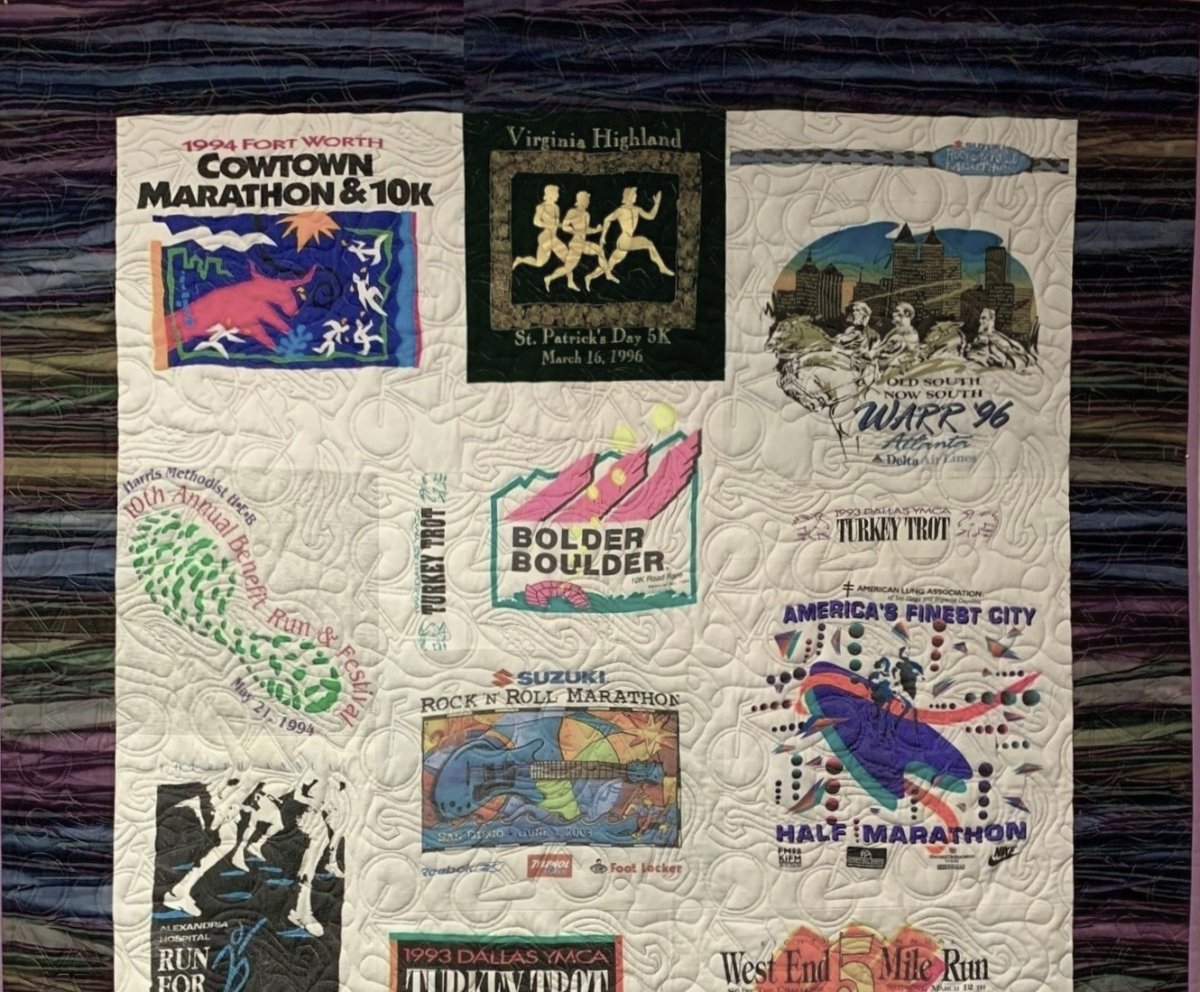
A marathon shirt quilt isn’t just a collection of fabric; it’s a custom-engineered textile piece designed to stabilize and join varied race shirts into a cohesive story. Many runners mistakenly settle for "t-shirt blankets," which often fail because they lack internal batting and professional longarm quilting. Without these structural layers, the heavy performance fabrics eventually sag and distort under their own weight. Understanding The Anatomy of a Quilt helps clarify why three distinct layers are necessary to ensure your keepsake remains a functional piece of art rather than a limp rag. Professional stitching secures the top, batting, and backing together, creating a durable bond that withstands the test of time.

Why Technical Precision Matters for Performance Fabrics

Performance fabrics behave differently than standard cotton. They’re slippery, stretchy, and prone to pulling under the needle. To combat this, we apply professional-grade interfacing to the back of every shirt before the first cut is made. This step is non-negotiable for a marathon shirt quilt intended to last generations. Stabilization is the critical bridge between athletic wear and durable bedding. It locks the fibers in place, preventing the "quilt stretch" that ruins lesser products after a few trips through the laundry. This technical precision ensures that your moisture-wicking gear retains its shape while feeling soft and comfortable.

The Problem with Standard Block Layouts for Runners

Standard "checkerboard" grids are often too restrictive for the varied graphics found on modern race gear. A fixed-grid style might force you to choose between a stunning back-print and the finish date tucked away on a shoulder. Our Masonry T-Shirt Quilt and Artsy T-Shirt Quilt styles offer a more sophisticated alternative. These layouts use varied block sizes to accommodate every "badge of honor," from oversized chest logos to small sleeve accents. The result is a more dynamic, energetic aesthetic that captures the movement and spirit of the marathon. By choosing a layout that fits the logos, rather than forcing logos into a box, we preserve the full integrity of your race history.

Choosing Your Race Legacy Style: Layouts that Tell Your Story

Every finish line tells a unique story, but not every race shirt is created equal. Some carry the visual weight of a major international event with complex, wrap-around graphics, while others are minimalist mementos from a local trail run. A marathon shirt quilt should reflect this variety rather than forcing every memory into an identical, repetitive square. When planning your project, consider the volume of your collection and how much "story" you want to tell. A cozy throw typically requires 16 to 20 shirts, while a sprawling king-size legacy can incorporate 36 or more. Beyond the fabric, modern designs allow you to integrate "non-textile" memories like Tyvek race bibs or finisher ribbons, creating a multi-dimensional timeline of your athletic progress. If you’re looking to expand beyond running gear, our ultimate guide to designing your sports t-shirt quilt covers how to incorporate diverse athletic apparel from jerseys to tech-tees into a single cohesive heirloom.

The Freestyle Layout: Capturing the Energy of the Course

The Freestyle T-Shirt Quilt is the premier choice for runners with "busy" shirts. If your gear features sponsors on the sleeves, small logos on the pockets, or large vertical prints, a traditional grid would likely crop those vital details out. This approach uses varying block sizes and asymmetrical balance to create a sense of movement across the surface. It mimics the energy of the course itself, ensuring no detail is lost to the cutting mat. This style is particularly effective for high-performance marathon gear where logos often sit in unconventional places.

Masonry and Wonky Styles: Perfect for Varied Race Logos

For those who prefer a more structured but still unconventional look, the Masonry T-Shirt Quilt stacks rectangular race logos like a stone wall of achievements. It provides a clean, organized aesthetic that still accommodates different graphic dimensions without the rigidity of a checkerboard. Alternatively, the Wonky T-Shirt Quilt offers a modern, edgy vibe. Its intentional tilts and creative angles transform athletic gear into high-end home decor that feels contemporary rather than traditional. If you’re unsure which direction fits your collection, exploring our Portfolio can help you visualize the final movement and rhythm of your race history. Type in "running" in the search terms.

Engineering Your Keepsake: The Just T-Shirt Quilts Process

The transformation from a pile of laundry to a high-end marathon shirt quilt is a meticulous journey of technical precision. It begins with selecting a layout that honors your mileage. After you receive a professional estimate based on your specific shirt count, you’ll prepare your collection for its transformation. This isn’t a factory assembly line. In our studio, "Kyle the Girl" acts as your creative partner, mapping out each block to ensure your race history flows logically and beautifully across the surface. Once the layout is finalized, we employ robotic longarm quilting to secure every layer with consistent tension and intricate patterns. This structured workflow ensures that the artistic vision is always backed by professional durability.

Professional Longarm Quilting vs. Tying

Many mass-market products are simply "tied" together using yarn or plastic clips. These methods are insufficient for heavy-use memory pieces, as they allow the internal layers to shift, bunch, and sag over time. Robotic longarm stitching provides consistent tension across the entire surface, locking the batting in place and turning your athletic gear into a functional heirloom. If you’re exploring Memory Quilt Gift Ideas for a fellow runner, remember that professional quilting is what separates a temporary keepsake from a lifetime treasure. It adds a level of artistic flair and structural integrity that a standard home machine or manual tying simply can’t replicate. Whether you’re preserving marathon finishers’ shirts or varsity jerseys, our sports t-shirt quilt design guide walks through how expert longarm quilting protects even the most delicate performance fabrics for generations.
For organizations interested in sourcing the high-quality branded apparel used for these events, or for other premium corporate gift options, you can find out more about bulk custom merchandise.

How to Prepare Your Race Shirts for Shipping

Preparation is the most critical step you’ll take before shipping your memories. To ensure your vision is executed perfectly, place a safety pin in the center of every graphic you want to keep. If a shirt has a small sleeve logo or a back-print that is vital to the story, pin those, too, so they aren’t overlooked during the design phase. Each safety pin counts as 1 "side" towards the total quantity of items included in the quilt.

  • Ask first if you want to pre-cut your shirts: In many cases, we need the full garment to ensure there’s enough fabric for professional stabilization and precise seam allowances. If you are trying to save on shipping, check with us first, so that we can provide cutting instructions for your particular style.
  • Cleanliness matters: Ensure all shirts are freshly laundered without fabric softener, which can interfere with the stabilization process. Spots or stains that don’t come out in the wash will remain part of the forever history!
  • Secure your shipment: Use a sturdy box or shipping bag and a tracking-enabled carrier to ensure your finish-line memories arrive safely at our studio.

Shipping your gear can feel like a big step, but our methodical check-in process ensures every item is accounted for and treated with the respect it deserves. By following these steps, you’re helping us build a marathon shirt quilt that will withstand decades of use while looking as vibrant as race day.

Preserve Your Athletic Legacy in Every Stitch

Don’t settle for a sagging blanket when you can have a custom-engineered masterpiece. Our process bridges the gap between technical athletic gear and high-end textile art, ensuring that even the most delicate performance fabrics remain secure for generations. You’ve done the hard work on the pavement; let us handle the precision in the studio. To begin your transformation, Get a Custom Estimate for Your Marathon T-Shirt Quilt today. We’re excited to help you cross this final finish line and turn your miles into a lasting treasure.

Frequently Asked Questions

Can you make a quilt out of moisture-wicking tech race shirts?

Yes, moisture-wicking technical fabrics are perfect candidates for a custom marathon shirt quilt. These performance materials are notoriously slippery and stretchy, so we use a precise stabilization process to lock the fibers in place before any sewing begins. This ensures that your high-tech race gear won’t pull or distort over time, resulting in a smooth, professional finish that preserves the integrity of the original fabric.

How many marathon shirts do I need for a twin-size quilt?

The size can always vary depending upon the measurements of the graphics on the shirts and the style that you like. For Blocky, Close Blocky, For a twin-size layout, you’ll generally need 24 shirts to achieve full coverage. This number provides enough material to create a balanced design that highlights your most significant race achievements across the bed surface. If you have a smaller collection, we can incorporate larger borders or use our Artsy or Freestyle styles to reach the desired dimensions without compromising the visual impact of your shirts. We start with design so you will always receive a visual mockup of your quilt and the size for approval before we cut anything. Compare quilt sizes to bed sizes here .

Can I include my race bibs or medals in the t-shirt quilt?

Race bibs are a fantastic addition to your textile art, but medals should be displayed separately. We can either sew Tyvek bibs directly into the layout, or for heavy use, reproduce them, preserving the authentic look of your race day registration alongside your shirts. While medals are too heavy and rigid for a quilt, we often integrate finisher ribbons or fabric patches to capture those extra details without adding unnecessary weight or bulk to the bedding. Check that any ribbons or sashes or unusual or unwashed items are color fast and don’t "bleed" in the wash to avoid any disasters after the quilt is made.

How do I wash and care for my marathon shirt quilt?

To keep your marathon shirt quilt in peak condition, machine wash in a non-agitating machine on a gentle cycle with cold water. Avoid using harsh bleaches or fabric softeners that can degrade technical fibers and performance prints over time. Tumble dry on a low-heat setting or lay the quilt flat to air dry. This methodical care routine protects the professional longarm quilting and keeps the colors of your race shirts vibrant for decades.