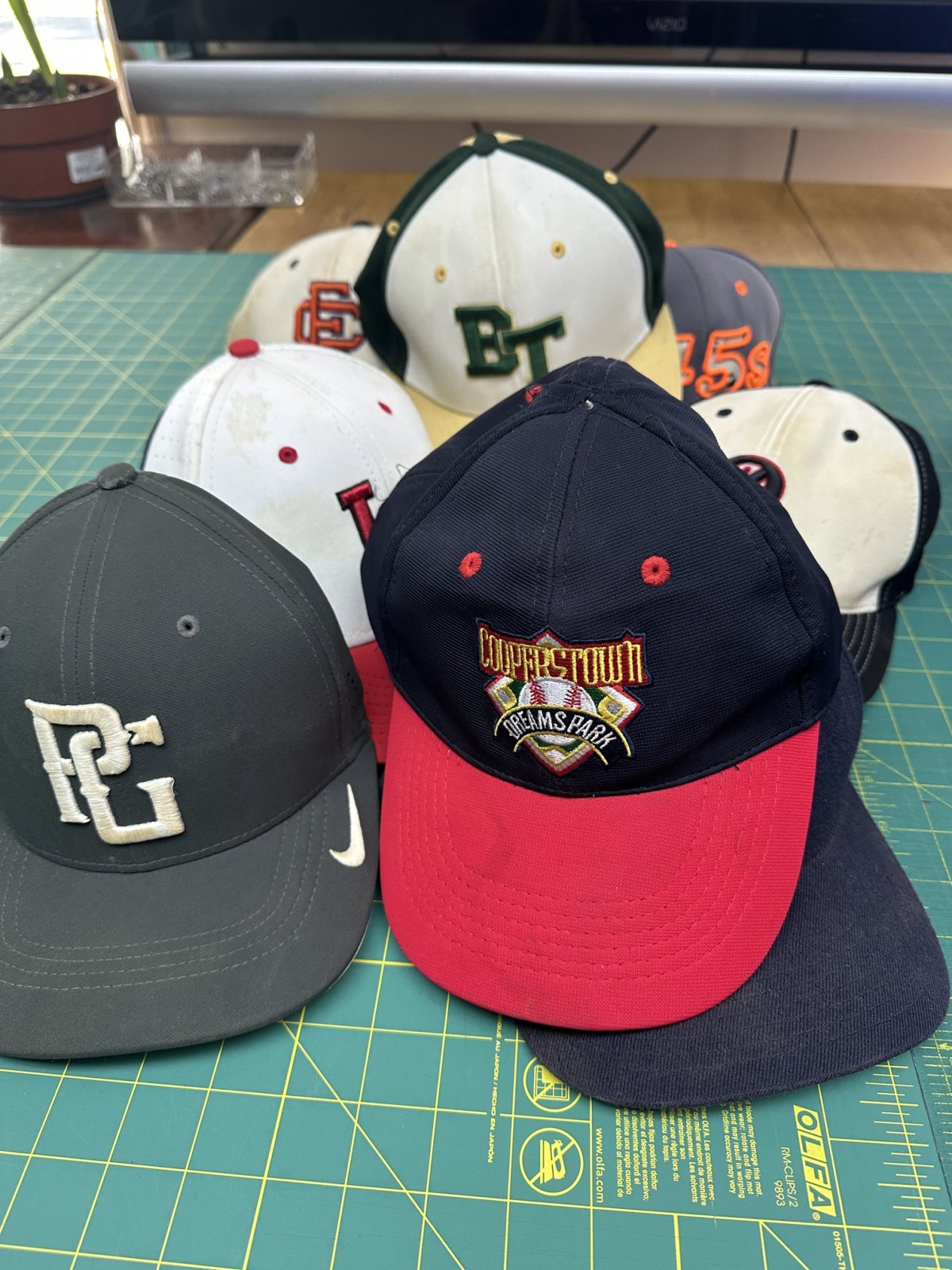
What if the shirts you can’t bear to part with could become more than a collection of memories? With quilting, their colors, graphics, and personal meaning can guide a design that feels cohesive rather than crowded. If you feel protective of sentimental shirts, it’s understandable to want a layout that brings them together without losing the details that matter.
The choices you make shape the quilt’s look and finish. This article explains how to compare layouts, what to prepare before requesting an estimate, and how making a T-shirt quilt differs from longarm quilting a top you’ve already assembled. Knowing which service your project needs can help you describe it clearly and plan your next steps.
What Quilting Means for a T-Shirt Quilt
Quilting means tailoring a quilt’s design and finishing choices to the shirts and preferences behind the project. For a T-shirt quilt, an early decision may include how the shirt panels will relate to one another. A regular, orderly arrangement creates a different impression from a layout with more variation and visual movement.
Quilting also refers to stitching that joins a quilt’s layers. The What is quilting overview describes quilting techniques that include hand, machine, and longarm work. Knowing the difference helps you identify what your project needs: design and assembly of a quilt from shirts, quilting to finish a prepared top, or both as separate stages.
No single layout suits every collection. Think about whether you want particular graphics to stand out, or whether you’d rather bring shirts from different events together in a balanced composition. Do you want your shirts in year order or grouped by activity? A quilter can help turn those preferences into a design direction that respects the individual shirts while giving the whole quilt a look that resonates with you.
How Quilt Design Differs from Edge-to-Edge Longarm Quilting
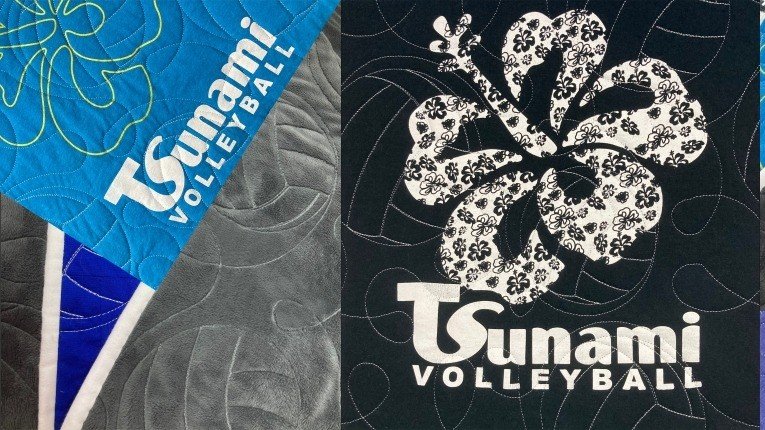
Designing and assembling a T-shirt quilt means creating the quilt top from the shirts and arranging their graphics. In the picture above volleyball shirts from a coach and player were used to create the quilt top. Edge-to-edge longarm quilting is a separate service for finishing the quilt top once it is already assembled. It uses a single quilting design across the entire prepared quilt top. The quilting design goes through all layers and shows on the back as well as the front. In the same example volleyballs were selected as the quilting design.
How to Choose a Quilt Layout That Fits Your Shirts
Start with the shirts. Large graphics, small logos, and designs placed in different areas of a shirt can create different visual rhythms in the finished quilt. Consider what you want people to notice first, how structured you want the arrangement to feel, and whether you want the quilt to follow a timeline or bring different memories together. Quilts can also carry artistic and cultural meaning, as the International Quilt Museum’s collection illustrates.
Just T-Shirt Quilts offers six layout options. Use the questions below to narrow down what appeals to you, then review examples with the quilter to understand how each style could suit your collection.
| Layout | Question to explore |
|---|---|
| Blocky | Would you like the shirt graphics to read as distinct blocks with fabric separating them? |
| Close Blocky | Does a close-set block arrangement with no added fabric around the front appeal to you? |
| Freestyle | Would a more individually composed arrangement with a complementary fabric suit your shirts? |
| Masonry | Are you interested in a layout with a patterned sense of rhythm? |
| Wonky | Would tilted blocks in a more playful composition feel right? |
| Artsy | Do you want the overall effect to feel expressive and creative? |
What to Consider Before Selecting a T-Shirt Quilt Style
Gather the shirts and make a note of the graphics, names, or other details you most want represented. Decide whether you’re drawn to an orderly structure or a more varied composition, and think about the story you want the finished quilt to tell. If you prefer a freely composed look, explore The Art of the Freestyle T-Shirt Quilt as you compare your options. You can also review the T-shirt quilt layout options and discuss how a style might work with your shirts.
From Quilt Idea to Finished Piece: What Happens Next
A T-shirt quilt project starts with a clear idea, then moves through a practical sequence: explore the project requirements, request an online estimate, and, if desired, arrange an appointment either by phone or in person. When you get in touch, describe the quilt’s purpose and the layout you’re considering. A quilter can help clarify how your preferences fit the shirts and the finished piece you have in mind.
Your quilter will need your shirts. Preparation and packing instructions can vary, so follow the maker’s current guidance rather than cutting or altering shirts based on general advice. When the work is complete, the finished quilt is shipped to you.
What to Prepare Before Requesting an Estimate
A little planning helps you describe the project and ask useful questions. Before requesting an estimate, note:
- Purpose: What person, occasion, team, or collection of memories will the quilt represent? Is there an overall theme? Many keepsake quilts preserve childhood milestones using outgrown tops from brands like Maison Q, while others highlight athletic teams, concert merchandise, or school years.
- Layout preference: Which style appeals to you, and what do you like about it?
- Important details: Which shirt graphics or features do you especially want represented?
- Questions: What would you like to know about the next steps or project-specific shirt preparation?
If you’re weighing the project’s value, the existing T-shirt quilt cost guide can help you identify factors to discuss. Each project is different, so ask about your specific shirts and preferred layout. For shirt-handling advice, confirm preparation instructions directly with the maker.
Once you have your idea and questions ready, explore the maker’s process then arrange an appointment for further discussion and clarification. This gives the project a clear starting point while keeping its personal story at the centre.
Turn Your Shirt Collection into a Quilt with Meaning
Thoughtful quilting starts with the shirts themselves. Their graphics, colors, and stories can guide a layout that feels balanced and personal. Choosing a design is one part of the process; creating a T-shirt quilt and edge-to-edge longarm quilting are essential to a professional finish.
Just T-Shirt Quilts offers six T-shirt quilt layouts, with online estimates and appointments as next steps. The business is owned and operated by professional quilter Kyle the Girl, who can help translate your preferences into a design direction.
Ready to explore the possibilities? Explore T-shirt quilt layouts and start planning your project. Your shirts already hold the memories. A thoughtful layout can bring them together in a quilt you’ll be glad to keep close.
Frequently Asked Questions
What is quilting?
Quilting tailors a quilt’s design and finishing choices such as thread to a specific project. The quilting is completed on a specialized robotoics machine called a long arm. For a T-shirt quilt, that means arranging customer-provided shirts in a selected layout and then using edge-to-edge quilting, where a single quilting design is used across the entire quilt. The quilting joins all layers, preventing shifting, which can occur over time with use. Just T-Shirt Quilts offers several layout styles. Longarm quilting in the design of your choice in the thread that you like is included on all quilts that we design and finish. These can be viewed by choosing a style and then clicking through your choices for finishing. For Blocky, for instance, it looks like this .
How Do I Choose a Layout for a T-Shirt Quilt?
Consider which shirt graphics matter most, what kind of visual structure you prefer, and the story you want the quilt to tell. Just T-Shirt Quilts offers Blocky, Close Blocky, Freestyle, Masonry, Wonky, and Artsy layouts. Gather the shirts and note any details you want to highlight, then discuss with the quilter how the available styles might suit your collection. We can also design from a your ideas. A sketch or picture are helpful.
Can a professional quilter finish a quilt top I already made?
Yes. Just T-Shirt Quilts offers edge-to-edge longarm quilting for quilt tops customers have already assembled. This service quilts a prepared top using a single design across the entire quilt, while creating a new T-shirt quilt involves designing and assembling a top from customer-provided shirts. When you get in touch, describe your project clearly so it’s understood whether you have a completed top ready for longarm quilting.
What Happens After I Request a T-Shirt Quilt Estimate?
After you request an estimate online, if your estimate includes your final choices, you can place your order online. We will send you a shipping label to make it easier to get your items to us. At any point if you need assistance on your preferred layout, and any shirt details you want to highlight include those details on your order form or contact us with how we can help further. You’ll be kept informed along the way. Once the quilt is complete, it’s shipped to you or you can pick it up in our Marietta, GA location.